Image
[Wikipedia Summary, November 2026]
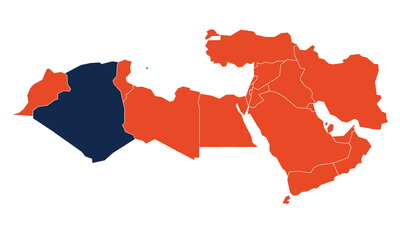
Algeria, officially the People’s Democratic Republic of Algeria, is located in North Africa and is the largest country by area on the continent. Its terrain is incredibly diverse, ranging from coastal plains to the Sahara Desert, and it shares borders with several countries including Morocco, Tunisia, Libya, Niger, Mali, Mauritania, and Western Sahara. The country's history is marked by periods of Berber rule, Roman colonization, Ottoman control, and ultimately, French colonial administration for over 130 years.
The struggle for Algerian independence was a significant conflict, lasting from 1954 to 1962 in the form of the Algerian War. This war resulted in substantial loss of life on both sides and led to Algeria gaining its independence from France. Following independence, Algeria experienced political instability and a civil war in the 1990s between the government and Islamist groups. Today, it operates as a semi-presidential republic with a president serving as head of state and a prime minister as head of government.
Algeria possesses substantial natural resources, most notably oil and natural gas, which are major contributors to its economy. While these resources drive economic activity, Algeria also faces challenges related to unemployment, particularly among youth, and the need for diversification away from reliance on hydrocarbons. The country is a member of OPEC and plays an important role in global energy markets.
Culturally, Algeria boasts a rich heritage influenced by Berber, Arab, Ottoman, and French traditions. Arabic and Tamazight (Berber) are the official languages, with French widely spoken as well. Islam is the predominant religion, shaping many aspects of Algerian life and society. The country has produced notable figures in literature, music, and art, reflecting its diverse cultural influences.
Geographically, Algeria's vast Sahara Desert covers approximately 80% of its land area. This desert landscape features unique ecosystems and geological formations. Along the Mediterranean coast, a more temperate climate supports agriculture and population centers. The country is working to develop infrastructure and tourism in both coastal regions and within the Sahara, while also addressing environmental concerns related to desertification and water scarcity.
[Wikipedia Summary, November 2026]
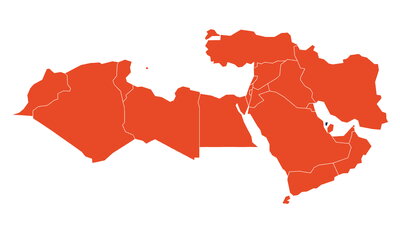
Bahrain, officially the Kingdom of Bahrain, is an island nation situated in the Persian Gulf off the eastern coast of the Arabian Peninsula in West Asia. Comprising a small archipelago centered around Bahrain Island alongside dozens of natural and artificial islands, it is the third-smallest country in Asia by land area. With its capital and largest city in Manama, Bahrain is home to approximately 1.5 million residents, more than half of whom are foreign expatriates and foreign nationals.
The history of Bahrain spans millennia, originating as the center of the ancient Dilmun civilization and gaining fame throughout antiquity for its world-renowned pearl fisheries. The archipelago embraced Islam early in the 7th century during the lifetime of Muhammad, going on to experience periods of Arab, Portuguese, and Safavid Persian rule. In 1783, the Bani Utbah clan, led by the House of Khalifa, established governance over the islands; Bahrain later became a British protectorate in the late 19th century before gaining full independence in 1971.
Bahrain is a semi-constitutional monarchy led by King Hamad bin Isa Al Khalifa, with a bicameral National Assembly: an appointed Consultative Council and an elected Council of Representatives. The country maintains strong international alliances, serving as a major non-NATO ally and hosting the U.S. Navy's Fifth Fleet at Mina Salman. In 2011, inspired by the regional Arab Spring, the country saw widespread political protests, prompting government crackdowns and continued domestic political restructuring.
Recognized as one of the first post-oil economies in the Persian Gulf region, Bahrain began diversifying into international banking, financial services, and tourism several decades ago. Although oil and natural gas extraction and refining still account for a substantial portion of government income, Manama remains a major regional financial hub. The World Bank categorizes Bahrain as a high-income economy with very high human development ratings, driven by investments in modern infrastructure, trade, and logistics.
Demographically and culturally, Bahrain represents a synthesis of Arab, Islamic, and historical Persian influences. Arabic is the official language—with English widely utilized in commerce and higher education—and Islam is the official state religion, practiced by both Sunni and Shia communities alongside resident Christian, Hindu, and other non-Muslim populations. The nation's heritage is preserved through UNESCO World Heritage sites such as Qal'at al-Bahrain and ancient burial mounds, complementing its contemporary cultural scene in music, literature, and international sports like Formula One racing.
[Wikipedia Summary, November 2026]
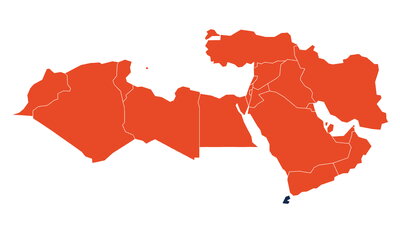
Djibouti, officially the Republic of Djibouti, is a multi-ethnic country situated in the Horn of Africa, bordered by Somaliland/Somalia to the south, Ethiopia to the southwest, Eritrea to the north, and the Red Sea and Gulf of Aden to the east. Spanning an area of 23,200 square kilometers, it is the least populous nation on mainland Africa, with a population of approximately 1.06 million recorded in the 2024 census. Situated along the Bab-el-Mandeb strait near some of the world's busiest maritime shipping lanes, Djibouti controls strategic access to the Red Sea and the Indian Ocean, operating as the main port for landlocked Ethiopia. Its capital and primary urban center is Djibouti City.
In antiquity, the territory formed part of the Land of Punt, while coastal centers like Zeila later served as seats for medieval Muslim polities including the Ifat and Adal Sultanates. During the late 19th century, France established a protectorate after signing treaties with local Afar and Somali sultans, founding French Somaliland in 1894 and constructing a vital railway connecting Djibouti City to Addis Ababa. Following a name change to the French Territory of the Afars and the Issas in 1967 and years of political agitation led by independence movements, the nation voted overwhelmingly for independence in a 1977 referendum, officially establishing the Republic of Djibouti on June 27, 1977.
Governance is structured as a unitary presidential republic, led by President Ismaïl Omar Guelleh since 1999 and Prime Minister Abdoulkader Kamil Mohamed. Internal tensions in the early 1990s led to an armed civil conflict between the government and the opposition Front for the Restoration of Unity and Democracy (FRUD), which concluded with a power-sharing peace agreement in 2000. Due to its exceptional strategic location, Djibouti hosts multiple foreign military bases—including installations for France, the United States, China, Japan, and Italy—and serves as the international headquarters for the Intergovernmental Authority on Development (IGAD).
Djibouti's economy relies heavily on maritime services, port transshipment, logistics, and foreign lease revenues from military bases and telecommunications infrastructure. Serving as the primary import-export maritime gateway for neighboring Ethiopia, the country has expanded its port capabilities and rail connections to handle heavy regional container traffic. However, economic development remains constrained by limited arable land, high unemployment, and environmental pressures associated with an arid climate.
Demographically, the population is primarily composed of two major Cushitic-speaking Afroasiatic ethnic groups: the Somalis (predominantly the Issa clan, forming the majority) and the Afar, along with smaller Arab communities. Islam is the official state religion and is practiced by roughly 94% of the population, predominantly Sunni Muslim. French and Arabic serve as the country's two official languages, while Somali and Afar are recognized as national languages.
[Wikipedia Summary, November 2026]
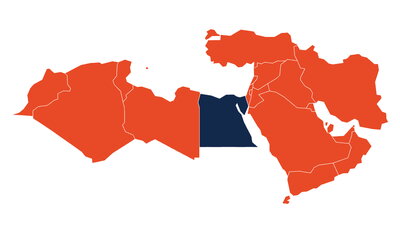
Egypt, officially the Arab Republic of Egypt, is a transcontinental nation spanning the northeast corner of Africa and the Sinai Peninsula in Southwest Asia. Bordered by the Mediterranean Sea, the Red Sea, Libya, Sudan, Palestine, and Israel, the vast majority of its population of over 107 million people is concentrated along the narrow, fertile Nile Valley and Delta, which occupies only about 5.5% of the country's total land area. Its capital and largest city, Cairo, is the primary political, economic, and cultural center of the region, while Alexandria serves as a major Mediterranean industrial and tourist hub.
Boasting one of the world's longest recorded histories, Egypt is recognized as a cradle of civilization with roots dating back to the 6th–4th millennia BCE. Following the unification of Upper and Lower Egypt under King Menes around 3150 BCE, three millennia of pharaonic dynasties produced monumental achievements, including the Pyramids of Giza, early hieroglyphic writing, organized religion, and centralized governance. The region later transitioned through Persian conquest, Hellenistic rule under the Ptolemaic Kingdom, and Roman annexation, emerging as an early center of Christianity before adopting Islam in the 7th century following Arab Muslim conquests.
During the medieval era, Cairo became a major seat of Islamic power under the Fatimid Caliphate and Mamluk Sultanate before being incorporated into the Ottoman Empire in 1517. Under the 19th-century rule of Muhammad Ali Pasha, Egypt laid the groundwork for modern statehood and oversaw the opening of the Suez Canal in 1869, which subsequently drew British occupation in 1882. Egypt gained formal independence as a monarchy in 1922 and declared itself a republic following the 1952 revolution led by the Free Officers Movement under Gamal Abdel Nasser.
Today, Egypt is structured as a unitary semi-presidential republic led by President Abdel Fattah el-Sisi, who assumed power following the political turmoil of the Arab Spring and the 2013 military takeover. The nation acts as a prominent regional power in North Africa, the Middle East, and the Muslim world, maintaining one of the largest armed forces in the region and hosting the permanent headquarters of the Arab League.
Economically, Egypt holds the second-largest economy in Africa, driven by manufacturing, trade, agricultural production along the Nile, tourism, and revenues from maritime transit through the Suez Canal. Demographically, Arabic is the official language—with Egyptian Arabic as the national spoken dialect—and Islam is the official state religion, alongside a historically significant Coptic Christian minority.
[Wikipedia Summary, November 2026]
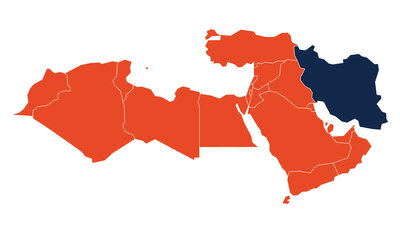
Iran, officially the Islamic Republic of Iran, is a country in Western Asia. It borders Armenia, Azerbaijan, and Turkmenistan to the north; Afghanistan and Pakistan to the east; and Turkey and Iraq to the west. Its southern coast lies along the Persian Gulf and the Gulf of Oman. With an area exceeding 1.6 million square kilometers, Iran ranks as one of the world’s larger countries, possessing a diverse landscape ranging from mountains and forests to deserts and coastal plains. Historically known as Persia, it boasts a rich cultural heritage stretching back millennia .
The history of Iran is marked by successive empires including the Achaemenid, Parthian, and Sasanian dynasties, each leaving significant contributions to art, architecture, philosophy, and science. Islam became the dominant religion in the 7th century, shaping much of Iranian culture and law. Throughout its long history, Iran has been a crossroads for civilizations, experiencing periods of both independence and foreign influence. The modern nation-state emerged following various conflicts and political shifts, including the Pahlavi dynasty which modernized the country but also faced opposition .
The 1979 Iranian Revolution overthrew the monarchy and established the Islamic Republic, led by Ayatollah Ruhollah Khomeini. This event dramatically altered Iran’s political landscape, leading to a theocratic system of government based on Shia Islam. The revolution had profound regional and international consequences, including the Iran-Iraq War (1980–1988) which resulted in significant casualties and economic disruption .
Today, Iran operates under a unique political structure combining elements of democracy with religious authority. The Supreme Leader holds ultimate power, while an elected President oversees day-to-day governance. The country possesses substantial natural resources, particularly oil and gas, which play a crucial role in its economy. However, international sanctions and internal economic challenges continue to impact Iran’s development .
Iran is a culturally rich nation with a population of over 88 million people. Persian culture has profoundly influenced the arts, literature, music, and cuisine of Central Asia and beyond. Despite political complexities, Iran remains a significant regional power with a complex relationship with the international community, actively involved in geopolitical issues and striving to balance its domestic priorities with global concerns .
[Wikipedia Summary, November 2026]
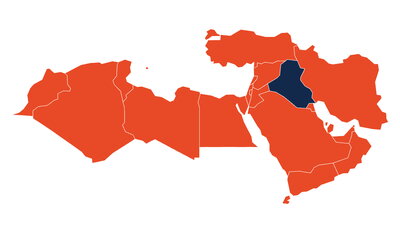
Iraq, officially the Republic of Iraq, is a West Asian country bordered by Turkey to the north, Iran to the east, Kuwait and Saudi Arabia to the south, and Syria and Jordan to the west. The country contains significant portions of the Tigris–Euphrates river system, historically known as Mesopotamia – often regarded as the cradle of civilization . With an area of 438,317 square kilometers, Iraq possesses diverse terrain including deserts, marshes, mountains, and fertile agricultural lands.
The region encompassing modern-day Iraq has been inhabited for millennia, witnessing the rise and fall of numerous empires including Sumer, Akkad, Babylonia, and Assyria. Throughout history, it served as a crucial crossroads for trade and cultural exchange. In the 7th century, Iraq became part of the Islamic Caliphate, experiencing a golden age of scientific and intellectual advancement. Later, it fell under Ottoman rule before becoming a British mandate after World War I.
Iraq gained independence in 1932 but experienced decades of political instability, including military coups and authoritarian regimes. The discovery of vast oil reserves significantly shaped its economic and geopolitical importance. In the late 20th century, Iraq was embroiled in several conflicts, notably the Iran-Iraq War (1980–1988) and the Gulf War (1991), followed by years of international sanctions.
The 2003 invasion of Iraq led to the overthrow of Saddam Hussein’s regime but ushered in a period of prolonged sectarian violence and insurgency. The country has faced significant challenges in establishing a stable, democratic government and addressing internal divisions along ethnic and religious lines. More recently, Iraq has battled against extremist groups like ISIS, which occupied large swathes of territory before being defeated.
Today, Iraq is a parliamentary republic striving to rebuild its economy and infrastructure while navigating complex political dynamics. Oil remains the dominant sector, but efforts are underway to diversify the economy. Despite ongoing challenges related to security, governance, and social cohesion, Iraq continues to play an important role in regional affairs and possesses a rich cultural heritage.
[Wikipedia Summary, November 2026]
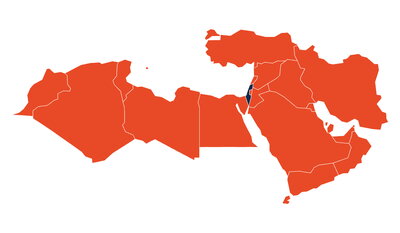
Israel, officially the State of Israel, is a country in the Middle East, located on the southeastern shore of the Mediterranean Sea and bordering Lebanon, Syria, Jordan, and Egypt. It claims Jerusalem as its capital, though international recognition of this claim remains contested. With an area of approximately 22,072 square kilometers, Israel possesses diverse geography including deserts, mountains, and a coastal plain. The country is considered the historical and religious homeland of the Jewish people.
The history of the region dates back millennia, serving as a central location for ancient civilizations and religions like Judaism and Christianity. After periods of independence, conquest, and exile, the area came under various empires, including Roman, Byzantine, and Ottoman rule. In the late 19th century, the Zionist movement emerged advocating for the establishment of a Jewish state in Palestine, leading to increased immigration .
The modern State of Israel was established in 1948 following a United Nations resolution partitioning British Mandate Palestine. This led to the Arab-Israeli War and ongoing conflict with neighboring Arab states over territory and self-determination. Subsequent wars and conflicts have shaped Israel’s borders and political landscape, resulting in complex geopolitical challenges.
Israel operates as a parliamentary democracy with a multi-party system. It has a highly developed economy driven by technology, industry, and agriculture. The country is known for its innovation in areas like medicine, water management, and cybersecurity. However, it also faces significant social and economic disparities.
Today, Israel’s population comprises a majority of Jewish citizens alongside a substantial Arab minority. It remains a focal point of international attention due to the Israeli-Palestinian conflict and its broader regional role. Despite ongoing challenges, Israel continues to be a vibrant and dynamic nation with a rich cultural heritage.
[Wikipedia Summary, November 2026]
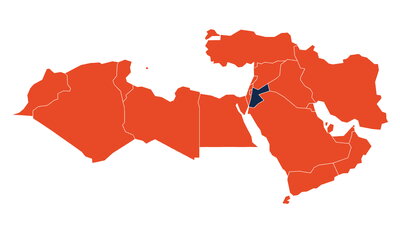
Jordan, officially the Hashemite Kingdom of Jordan, is an Arab country in Western Asia. It shares borders with Syria to the north, Iraq to the northeast, Saudi Arabia to the east and south, and Israel and Palestine to the west. Covering approximately 89,342 square kilometers, Jordan’s landscape is diverse, ranging from desert terrain in the east and south to fertile highlands in the northwest. The country holds significant religious importance as it contains sites mentioned in both Christian and Islamic traditions.
The region encompassing modern-day Jordan has a rich history dating back to ancient civilizations, including the Nabataeans who established Petra as their capital. It later came under Roman, Byzantine, and Ottoman rule for centuries. Following World War I, Transjordan became a British protectorate, gaining full independence in 1946. The Hashemite dynasty, originating from the Prophet Muhammad’s tribe, has ruled Jordan since its inception as an independent state.
Jordan played a significant role in regional conflicts throughout the 20th and 21st centuries, including the Arab-Israeli wars and the Gulf War. It has historically maintained close ties with both Western nations and other Arab countries. The country has also received large numbers of Palestinian refugees over the decades, impacting its demographics and socio-economic landscape.
Jordan operates as a constitutional monarchy with a parliamentary system. King Abdullah II is the current head of state. While facing economic challenges such as limited natural resources and regional instability, Jordan has focused on developing sectors like tourism, finance, and education. The country’s strategic location makes it an important transit hub for trade.
Today, Jordan is a relatively stable nation in a turbulent region. It continues to navigate complex geopolitical issues while striving to promote economic development and social progress. Known for its hospitality and cultural heritage, Jordan attracts tourists interested in exploring historical sites like Petra, Wadi Rum, and the Dead Sea.
[Wikipedia Summary, November 2026]
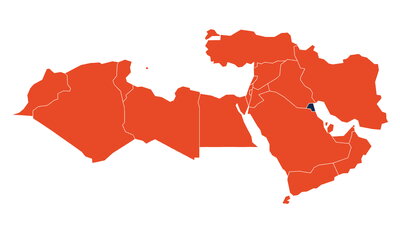
Kuwait is a country in Western Asia, situated at the northern end of the Persian Gulf and sharing borders with Iraq and Saudi Arabia. It’s a nation steeped in history as a major trading hub, initially established by nomadic tribes before becoming a British protectorate in the 19th century. Kuwait gained full independence in 1961, though its relationship with Iraq remained complex, culminating in the Gulf War of 1990-1991 when it was invaded and occupied by Iraq, but subsequently liberated by a US-led coalition.
The country’s economy is heavily reliant on oil reserves, possessing some of the world's largest proven oil reserves. This has made Kuwait one of the wealthiest nations per capita globally, funding significant infrastructure development and social programs. Beyond oil, Kuwait is working to diversify its economy through investments in finance, tourism, and other sectors.
Kuwait’s political system is a constitutional emirate with a parliamentary system. The Emir holds significant executive power, while the National Assembly (Majlis) exercises legislative authority. Political life has seen periods of both stability and tension, with ongoing debates about the balance of power between the ruling family and elected representatives.
Culturally, Kuwait blends traditional Arab customs with modern influences. Islamic traditions are central to daily life, but a cosmopolitan atmosphere exists due to a substantial expatriate population. The country boasts a rich literary tradition, particularly in poetry, and has seen growth in contemporary art and music.
Geographically, Kuwait is characterized by its flat desert terrain and arid climate. It consists of nine islands, with Bubiyan being the largest. Despite limited freshwater resources, Kuwait has invested heavily in desalination plants to meet its water needs. The country faces environmental challenges related to oil production, desertification, and air pollution.
[Wikipedia Summary, November 2026]
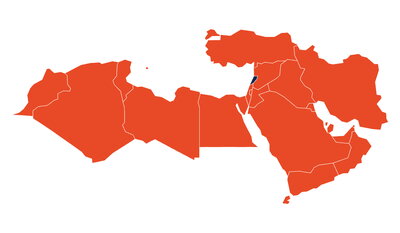
Lebanon is a country in Western Asia, located on the Mediterranean coast
bordering Syria to the north and east and Israel to the south. Its history stretches back millennia as a significant crossroads for civilizations – from Phoenicians who established maritime trade routes, through Roman, Byzantine, Arab, Ottoman, and French rule. This rich past has left a diverse cultural and religious landscape, marked by a multitude of sects including Maronite Christians, Sunni and Shia Muslims, Druze, and others.
The modern nation-state of Lebanon gained independence in 1943 after decades under French mandate. However, its history since independence has been marred by periods of political instability, civil war (most notably from 1975 to 1990), and external conflicts. The country’s complex sectarian power-sharing system, designed to ensure representation for all groups, often leads to political deadlock and challenges in governance.
Lebanon's economy historically relied on agriculture and trade but has become increasingly service-oriented, particularly banking and tourism. However, the country faces significant economic hardship, exacerbated by political instability, corruption, and the devastating Beirut port explosion in 2020. This has led to a severe financial crisis, currency devaluation, and widespread poverty.
Culturally, Lebanon is renowned for its vibrant arts scene, literature, music, and cuisine. Beirut, the capital, was once known as the "Paris of the Middle East" due to its cosmopolitan atmosphere and intellectual life. Despite ongoing challenges, Lebanese culture continues to thrive, blending Arab traditions with Western influences.
Geographically, Lebanon is characterized by a diverse landscape ranging from fertile coastal plains to rugged mountains including the Lebanon Mountains. The country has limited arable land but benefits from significant water resources, though these are increasingly strained due to climate change and mismanagement. Its location makes it vulnerable to regional conflicts and environmental hazards.
[Wikipedia Summary, November 2026]
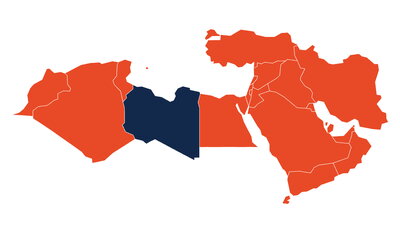
Libya is a North African country bordering the Mediterranean Sea and encompassing vast stretches of the Sahara Desert. Its history includes periods under Phoenician, Greek, Roman, Vandal, Byzantine, and Arab rule before becoming part of the Ottoman Empire. In the 20th century, Libya experienced Italian colonization and then independence in 1951 as a constitutional monarchy. This was followed by Muammar Gaddafi’s coup in 1969, establishing a socialist state that ruled for over four decades.
Gaddafi's regime was overthrown during the Arab Spring uprisings in 2011, leading to a civil war and subsequent instability. Since then, Libya has been divided between rival governments and factions, including the Government of National Accord (GNA) and the Libyan National Army (LNA), resulting in ongoing conflict and humanitarian crises. Efforts to establish a unified government have faced numerous challenges.
Libya possesses Africa’s largest proven oil reserves, making it a significant player in global energy markets. The economy is almost entirely dependent on oil revenues, which have been severely impacted by political instability and armed conflict. Despite its wealth of resources, Libya struggles with high unemployment, poverty, and inadequate infrastructure.
Culturally, Libyan society blends Arab, Berber, and Mediterranean influences. Islam is the predominant religion, shaping many aspects of daily life. Traditional arts, music, and crafts are still practiced alongside modern forms of expression. The country’s diverse ethnic groups contribute to a rich cultural heritage.
Geographically, Libya is dominated by desert landscapes, with limited arable land concentrated along the coast. The Sahara Desert covers approximately 90% of the country. Key features include the Nafusa Mountains in the west and several oases that support agriculture and settlements. Water scarcity is a major environmental challenge.
[Wikipedia Summary, November 2026]
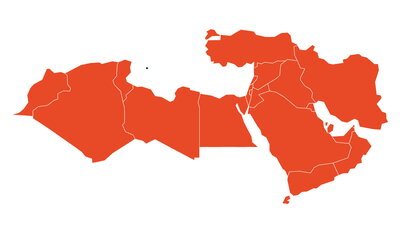
Malta is a Southern European island country consisting of an archipelago between Italy and North Africa. Its strategic location in the Mediterranean Sea has made it historically significant as a naval base and trading post for various empires, including Phoenicians, Romans, Arabs, Normans, Knights Hospitaller, French, and British. Malta gained independence from the United Kingdom in 1964 but remains a member of the Commonwealth and joined the European Union in 2004.
Despite its small size, Malta boasts a rich history and culture reflected in its numerous archaeological sites, including megalithic temples dating back to prehistoric times – some of the oldest free-standing structures in the world. The country’s architecture showcases influences from various periods, with Baroque buildings dominating the landscape. Maltese is the national language alongside English, reflecting its colonial past.
Malta's economy is heavily reliant on tourism, financial services, and manufacturing, particularly electronics and pharmaceuticals. While lacking significant natural resources, it has developed a thriving maritime industry and benefits from its EU membership. The country faces challenges related to water scarcity, land use, and sustainable development.
Culturally, Malta blends Mediterranean traditions with influences from Europe and North Africa. Roman Catholicism is the dominant religion, playing a central role in social life. Maltese cuisine reflects this diversity, featuring flavors from Italy, Greece, and Arab countries. The country hosts numerous festivals and cultural events throughout the year.
Geographically, Malta is characterized by low-lying limestone plateaus and rocky coastlines. It lacks significant mountains or rivers. The islands enjoy a warm Mediterranean climate with hot, dry summers and mild, wet winters. This climate contributes to its appeal as a tourist destination but also poses challenges for water management.
[Wikipedia Summary, November 2026]
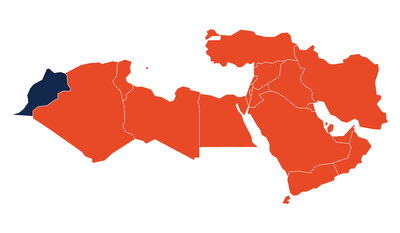
Morocco is a North African country bordering the Atlantic Ocean and the Mediterranean Sea. Its history is rich and complex, marked by indigenous Berber kingdoms, Roman and Arab conquests, and periods of independent dynasties like the Marinids and Almoravids. In the 20th century, Morocco experienced French and Spanish protectorates before gaining independence in 1956. The country maintains a unique cultural identity blending Arab, Berber, European, and African influences.
Morocco’s economy is diverse, encompassing agriculture, tourism, manufacturing, and services. Key exports include phosphates, textiles, and agricultural products. Tourism plays a significant role, attracting visitors to its historic cities, beaches, and mountains. However, the country faces economic challenges such as unemployment, income inequality, and reliance on external factors.
Politically, Morocco is a constitutional monarchy with an elected parliament. The King retains substantial executive powers, while the government is responsible for day-to-day administration. Political life has seen gradual reforms towards greater democratization, but concerns remain regarding freedom of expression and human rights. The Western Sahara dispute continues to be a significant political issue.
Culturally, Morocco is renowned for its vibrant traditions, including music, art, cuisine, and craftsmanship. Islamic traditions are central to daily life, coexisting with Berber customs and influences from other cultures. Moroccan cities like Marrakech, Fes, and Chefchaouen are famous for their historic medinas (old towns), bustling souks (markets), and intricate architecture.
Geographically, Morocco is characterized by diverse landscapes ranging from the Atlas Mountains and Sahara Desert to fertile coastal plains. The Rif Mountains in the north provide a distinct regional character. The country experiences a Mediterranean climate along the coast and a more arid climate inland. Water scarcity and desertification are significant environmental challenges.
[Wikipedia Summary, November 2026]
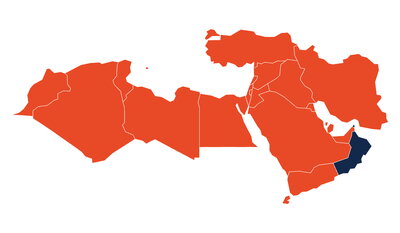
Oman is an Arab country located on the southeastern coast of the Arabian Peninsula, bordering Saudi Arabia, the United Arab Emirates, and Yemen. Its history dates back thousands of years, with evidence of early settlements and maritime trade connections to Mesopotamia and India. For centuries, Oman was a significant seafaring power, controlling trade routes in the Indian Ocean and establishing colonies along the East African coast. It experienced periods under Persian and Portuguese rule before the Al Busaid dynasty consolidated control in the 18th century.
The modern Sultanate of Oman has undergone significant modernization while maintaining its traditional culture and political system. Ruled by a Sultan, Oman historically pursued a policy of neutrality in regional conflicts but plays an increasingly active role in diplomacy and mediation. The country experienced relative stability under Sultan Qaboos bin Said, who oversaw economic development and social reforms until his death in 2020.
Oman’s economy is heavily reliant on oil and gas exports, though the government is actively diversifying into tourism, logistics, and manufacturing. Despite its wealth, Oman maintains a conservative fiscal policy and invests in infrastructure and social programs. The country benefits from strategic geographic location along major shipping lanes, fostering growth in port facilities and trade.
Culturally, Oman boasts a rich heritage rooted in Islamic traditions, Arab customs, and seafaring history. Traditional music, dance, poetry, and crafts are integral to Omani life. Frankincense, historically traded through Oman, remains an important cultural symbol. The country is known for its hospitality and strong family values.
Geographically, Oman’s landscape is diverse, ranging from rugged mountains and fertile coastal plains to vast deserts including the Rub' al Khali (Empty Quarter). The Dhofar region in southern Oman experiences a monsoon season, supporting lush vegetation and unique biodiversity. Water scarcity remains a significant environmental challenge, prompting investment in desalination plants and water management strategies.
[Wikipedia Summary, November 2026]
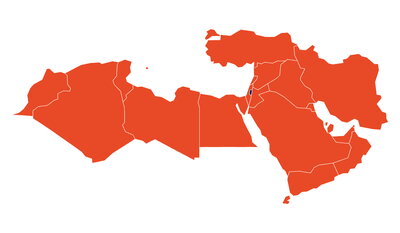
Palestine refers to a region with a complex and contested history, geographically located in the Southern Levant. The area holds immense religious significance for Judaism, Christianity, and Islam, encompassing sites sacred to all three faiths, including Jerusalem. Historically, it has been inhabited by various peoples – Canaanites, Israelites, Romans, Byzantines, Arabs, Crusaders, and Ottomans – each leaving a lasting cultural and political imprint. The region was part of the British Mandate for Palestine following World War I.
The 20th and 21st centuries have been marked by increasing national aspirations among both Jewish and Palestinian Arab populations. This led to conflict culminating in the 1948 Arab-Israeli War, resulting in the establishment of the State of Israel and the displacement of a large number of Palestinians – an event known as the Nakba ("catastrophe"). The remaining areas were controlled by Egypt (Gaza Strip) and Jordan (West Bank).
Today, Palestine consists of the Palestinian territories: the West Bank (including East Jerusalem) and the Gaza Strip. These territories are not fully sovereign; the West Bank is under Israeli military occupation, while Gaza is governed by Hamas and subject to an ongoing blockade. The Palestinian Authority exercises limited self-governance in parts of the West Bank.
The political status of Palestine remains a central issue in international relations. Palestinians seek statehood in the West Bank and Gaza Strip, with East Jerusalem as its capital. Numerous attempts at peace negotiations between Israel and the Palestinians have failed to achieve a lasting resolution. The conflict continues to be characterized by violence, displacement, and humanitarian crises.
Culturally, Palestinian identity is deeply rooted in Arab traditions, Islamic faith, and a shared history of resilience and resistance. Palestinian literature, music, art, and cuisine reflect this heritage. Despite facing political challenges, Palestinians maintain strong community bonds and strive to preserve their cultural identity.
[Wikipedia Summary, November 2026]
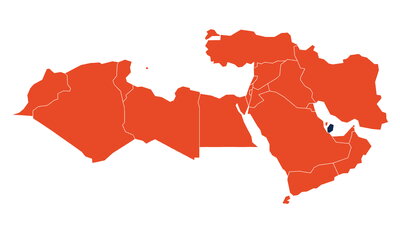
Qatar is a country located in Western Asia, occupying a small peninsula jutting into the Persian Gulf. Historically inhabited by nomadic Bedouin tribes, it became a British protectorate in the 19th century. Gaining full independence in 1971, Qatar has transformed from a pearl diving and fishing community into one of the world’s wealthiest nations due to its vast reserves of natural gas and oil.
The country's economy is overwhelmingly dominated by hydrocarbons, making it a major exporter of liquefied natural gas (LNG). This wealth has fueled significant investment in infrastructure, education, healthcare, and sports facilities, most notably hosting the 2022 FIFA World Cup. Qatar aims to diversify its economy through investments in tourism, finance, and other sectors outlined in its National Vision 2030.
Qatar is an absolute monarchy ruled by the Al Thani family. The Emir holds supreme authority, although a Consultative Assembly (Shura Council) provides legislative input. Political participation remains limited, with no elected parliament as of yet, though plans for elections have been discussed. Qatar plays an active role in regional diplomacy and mediation efforts.
Culturally, Qatari society is deeply rooted in Islamic traditions and Arab heritage. Hospitality, family values, and respect for elders are central to social life. While modernizing rapidly, the country strives to preserve its cultural identity through initiatives promoting traditional arts, music, and literature. The influx of expatriate workers has created a diverse multicultural environment.
Geographically, Qatar is characterized by a flat, arid landscape with limited natural freshwater resources. It consists primarily of desert terrain with coastal wetlands and salt flats. Despite the harsh climate, Qatar has invested heavily in land reclamation projects and desalination plants to support its growing population and economic development.
[Wikipedia Summary, November 2026]
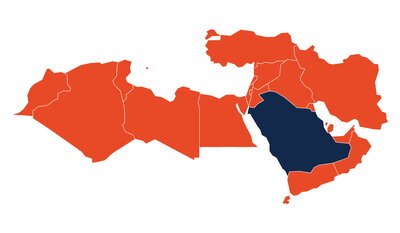
Saudi Arabia is a country situated in Western Asia, encompassing most of the Arabian Peninsula. Its history traces back to ancient civilizations and tribal societies before the rise of Islam in the 7th century CE. The modern Kingdom of Saudi Arabia was established in 1932 by Abdulaziz ibn Saud, uniting various regions under a single rule. It holds immense religious significance as the location of Islam’s holiest cities, Mecca and Medina.
The country possesses vast proven oil reserves – the second largest globally – making it a dominant force in the world energy market. This has fueled significant economic growth and modernization, transforming Saudi Arabia from a largely nomadic society into a major global power. The economy is increasingly focused on diversification through initiatives like Vision 2030, aiming to reduce reliance on oil and develop sectors such as tourism, technology, and entertainment.
Saudi Arabia is an absolute monarchy ruled by the Al Saud family. The King serves as both head of state and government, with Islamic law (Sharia) forming the basis of its legal system. While political reforms have been gradual, the country has seen some liberalization in recent years, including granting women more rights and expanding social freedoms.
Culturally, Saudi Arabia is deeply rooted in Islamic traditions and Arab customs. Hospitality, family values, and respect for religious beliefs are central to daily life. Traditional arts, music, poetry, and crafts continue to thrive alongside modern forms of expression. The country’s cultural heritage is preserved through museums, festivals, and historical sites.
Geographically, Saudi Arabia is characterized by vast deserts, mountains, and coastal plains. The Rub' al Khali (Empty Quarter) dominates much of the interior. Despite its arid climate, the country has significant water resources, including underground aquifers and desalination plants. Environmental challenges include desertification, water scarcity, and air pollution.
[Wikipedia Summary, November 2026]
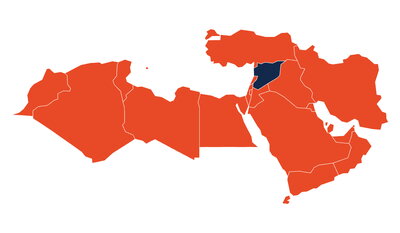
Syria is a country in Western Asia, bordering Turkey to the north, Iraq and Jordan to the east, Lebanon and Israel to the west, and the Mediterranean Sea to the southwest. Its history stretches back millennia as a crucial crossroads for civilizations – inhabited by ancient empires including the Assyrians, Greeks, Romans, Byzantines, and Ottomans. Syria gained independence from France in 1946 but has experienced periods of political instability and military rule throughout its post-colonial era.
The modern Syrian state was marked by Ba'athist ideology and authoritarian governance for decades. In 2011, widespread protests against the government of Bashar al-Assad escalated into a brutal civil war. This conflict drew in regional and international actors, leading to a complex multi-sided struggle involving rebel groups, jihadist organizations, and foreign powers. The Syrian Civil War has resulted in a massive humanitarian crisis, with millions displaced or killed.
Syria’s economy was traditionally based on agriculture, oil, and tourism but has been devastated by the ongoing conflict. Infrastructure has been severely damaged, industrial production has plummeted, and poverty rates have soared. While some areas remain under government control, large portions of the country are held by various opposition groups, further hindering economic recovery.
Culturally, Syria boasts a rich heritage reflecting its diverse history and population. Arabic is the official language, but Kurdish, Armenian, and other languages are also spoken. Islamic traditions are prevalent, alongside Christian communities with ancient roots in the region. Syrian cuisine, music, art, and literature reflect this cultural blend.
Geographically, Syria encompasses a varied landscape ranging from fertile coastal plains to mountainous regions and vast deserts. The Euphrates River is a vital water source, though access has been disrupted by the conflict. The country faces significant environmental challenges including desertification, water scarcity, and pollution exacerbated by years of war.
[Wikipedia Summary, November 2026]
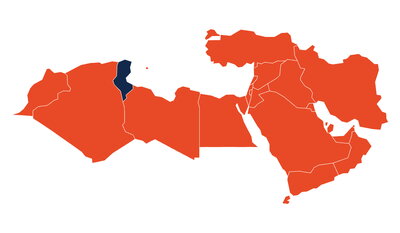
Tunisia is a country in North Africa, bordering Algeria and Libya, with the Mediterranean Sea to its east and south. Its history spans millennia, having been inhabited by Berbers, Phoenicians (founding Carthage), Romans, Arabs, Ottomans, and French. Gaining independence from France in 1957, Tunisia became one of the first countries to abolish slavery in the Arab world and has since navigated a path towards democratic governance, though with periods of authoritarian rule.
The Tunisian economy is diversified, encompassing agriculture, tourism, mining (particularly phosphates), and manufacturing. Tourism plays a significant role, attracting visitors to its Mediterranean beaches, historical sites, and cultural attractions. However, the country faced economic challenges following the 2011 revolution, including high unemployment and political instability.
Tunisia played a pivotal role in the Arab Spring uprisings of 2010-2011, with protests sparked by social and economic grievances leading to the overthrow of President Zine El Abidine Ben Ali. This event is widely considered the catalyst for broader pro-democracy movements across the Middle East and North Africa. Since then, Tunisia has undergone a transition towards democracy, adopting a new constitution in 2014, though political challenges persist.
Culturally, Tunisian society blends Arab, Berber, Mediterranean, and European influences. Islam is the predominant religion, but religious tolerance exists. Traditional music, dance, cuisine (known for its spices and seafood), and crafts are integral to Tunisian life. The country boasts a rich literary tradition and vibrant arts scene.
Geographically, Tunisia features diverse landscapes ranging from coastal plains and fertile agricultural land in the north to the Sahara Desert in the south. The Atlas Mountains extend into the country, providing scenic beauty and natural resources. Water scarcity is a growing environmental concern, prompting investment in water management strategies.
[Wikipedia Summary, November 2026]
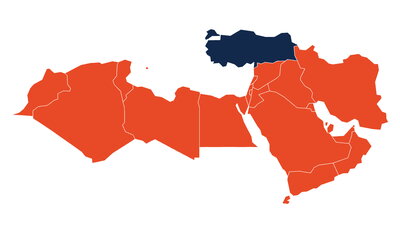
Turkey is a transcontinental country located primarily in Western Asia, with a smaller portion in Southeastern Europe. Its history spans millennia, encompassing civilizations such as the Hittites, Greeks, Romans, Byzantines, and Ottomans. The Ottoman Empire, which controlled vast territories for centuries, collapsed after World War I, leading to the establishment of the Republic of Turkey in 1923 under Mustafa Kemal Atatürk, who initiated a period of modernization and secularization.
Modern Turkey is a parliamentary republic with a presidential system. Its economy is considered an emerging market, characterized by industry, services, agriculture, and a growing tourism sector. Key exports include textiles, automotive parts, food products, and iron/steel. However, the country has faced economic challenges in recent years, including inflation and currency fluctuations.
Culturally, Turkey represents a blend of Eastern and Western influences, reflecting its geographical position and historical interactions. Turkish language and culture are rooted in Central Asian traditions, with significant contributions from Arabic, Persian, and European cultures. Islam is the predominant religion, but secularism remains enshrined in the constitution. Turkish cuisine is renowned for its diversity and flavors.
Geographically, Turkey boasts a diverse landscape encompassing mountains, plateaus, coastal plains, and lakes. The Anatolian Peninsula forms the majority of the country’s landmass, while Thrace extends into Europe. Important waterways include the Black Sea, the Aegean Sea, the Mediterranean Sea, and the Turkish Straits (Bosporus and Dardanelles), which connect the Black Sea to the Mediterranean.
Turkey plays a significant role in regional geopolitics, maintaining close ties with both European and Middle Eastern countries. It is a member of NATO and has applied for membership in the European Union. The country faces ongoing challenges related to Kurdish separatism, regional conflicts, and human rights concerns.
[Wikipedia Summary, November 2026]
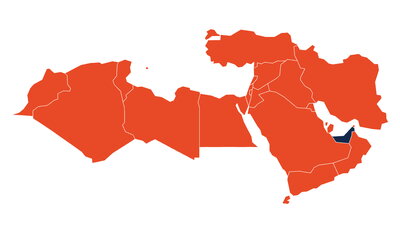
The United Arab Emirates is a country located in Southeast Asia, bordering Oman and Saudi Arabia. It’s a federation of seven emirates – Abu Dhabi (the capital), Dubai, Sharjah, Ajman, Umm Al Quwain, Ras Al Khaimah, and Fujairah – each historically ruled by a sheikh. Prior to the 19th century, the area was known as the Trucial States, under British protection. The UAE gained independence in 1971 following the withdrawal of Britain.
The UAE’s economy is heavily reliant on oil and natural gas reserves, particularly in Abu Dhabi. However, it has diversified significantly in recent decades, with Dubai emerging as a global hub for trade, tourism, finance, and logistics. The country boasts a high standard of living and attracts a large expatriate population. Vision 2030 aims to further diversify the economy and promote sustainable development.
Politically, the UAE is an absolute monarchy with each emirate retaining considerable autonomy. The Federal Supreme Council, composed of the rulers of the seven emirates, elects the President and Vice President. While political participation is limited, the government has implemented some reforms in recent years.
Culturally, Emirati society blends Arab traditions with Islamic values and modern influences. Hospitality, family ties, and respect for elders are central to social life. Traditional arts, music, dance, and cuisine remain important aspects of cultural identity. The country hosts numerous festivals and events showcasing its heritage.
Geographically, the UAE is characterized by desert landscapes, coastal plains, and mountains in the east. It experiences a hot, arid climate with limited rainfall. Despite the challenging environment, the country has invested heavily in infrastructure, including desalination plants, irrigation systems, and artificial islands, to support its population and economic growth.
[Wikipedia Summary, November 2026]
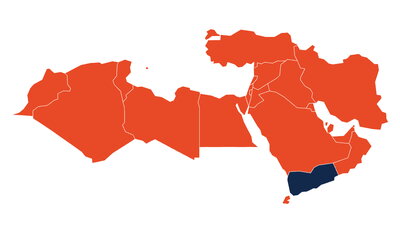
Yemen is an Arab country located in Western Asia, occupying the southwestern corner of the Arabian Peninsula. Its history dates back to ancient civilizations like Saba (Sheba), and it served as a crucial trade hub along the Incense Route. Throughout its history, Yemen has been influenced by various empires including Persians, Romans, Ottomans, and British colonial powers, particularly in Aden. The country unified as the Republic of Yemen in 1990 after decades of division between North and South Yemen.
The modern state of Yemen has faced significant political instability and economic challenges. A civil war erupted in 2014, pitting the Houthi movement against the internationally recognized government, backed by a Saudi-led coalition. This conflict has resulted in a devastating humanitarian crisis, considered one of the worst in the world, with widespread famine, disease, and displacement.
Yemen’s economy is heavily reliant on dwindling oil reserves and agriculture. The ongoing civil war has severely disrupted economic activity, infrastructure, and trade. Poverty rates are extremely high, and access to basic necessities like food, water, and healthcare remains limited for a large portion of the population.
Culturally, Yemen boasts a rich heritage rooted in Arab traditions, Islamic faith, and ancient civilizations. Traditional architecture, music, dance, poetry, and craftsmanship are integral to Yemeni life. The country is known for its unique social customs, including the practice of qat chewing.
Geographically, Yemen features diverse landscapes ranging from mountains and deserts to coastal plains along the Red Sea and Gulf of Aden. Socotra Island, a UNESCO World Heritage site, is renowned for its unique biodiversity. Water scarcity is a major environmental challenge, exacerbated by conflict and climate change.
125 Coble Hall
801 South Wright Street
Champaign, IL 61801
Email: csames@illinois.edu